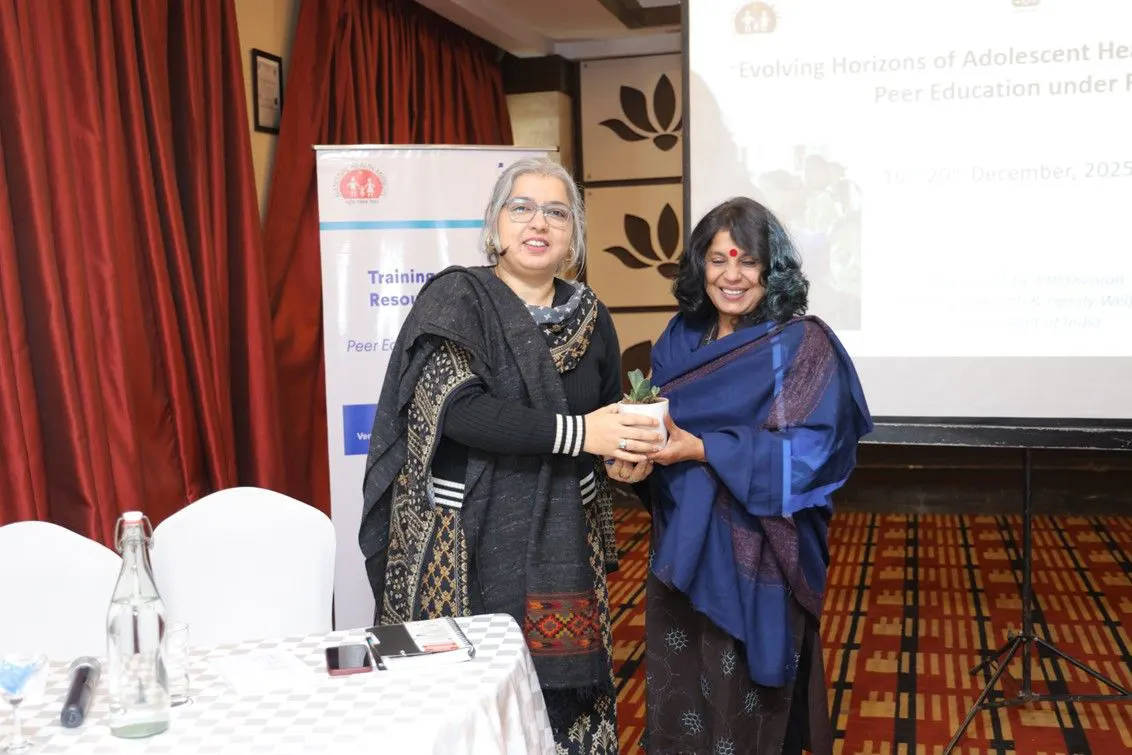
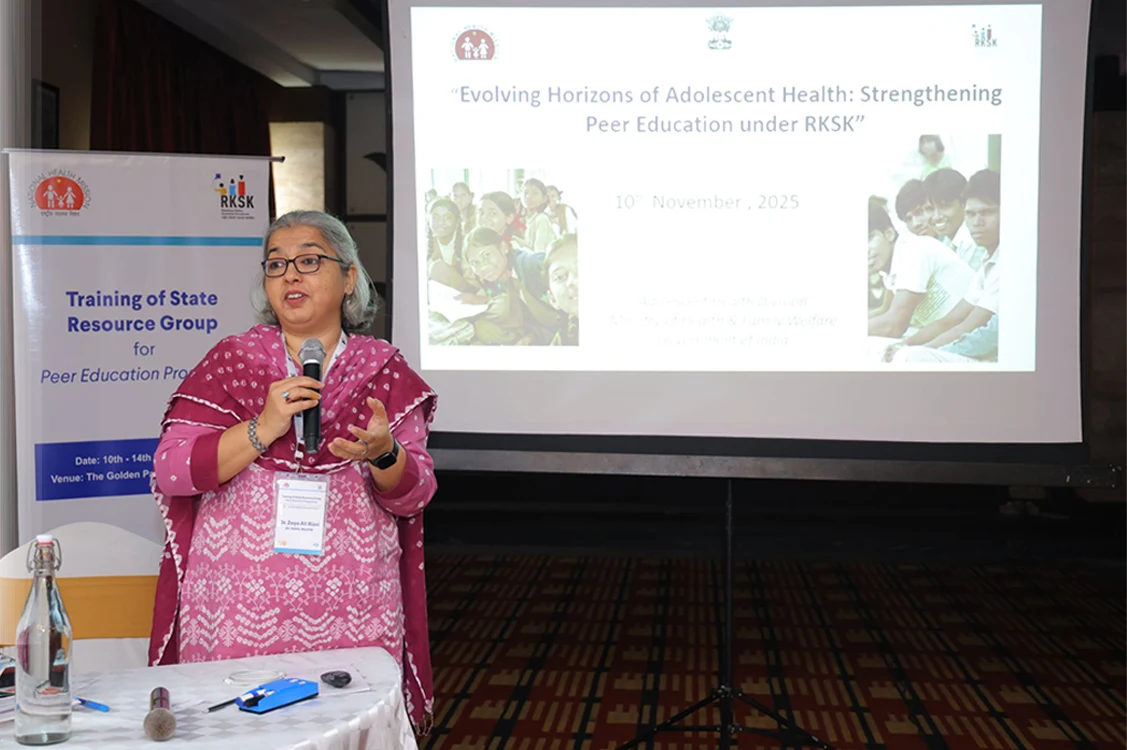
Bridging Gaps in Adolescent Health Education (Rajasthan), Strengthening Implementation of AHWP, FP and GBV Response
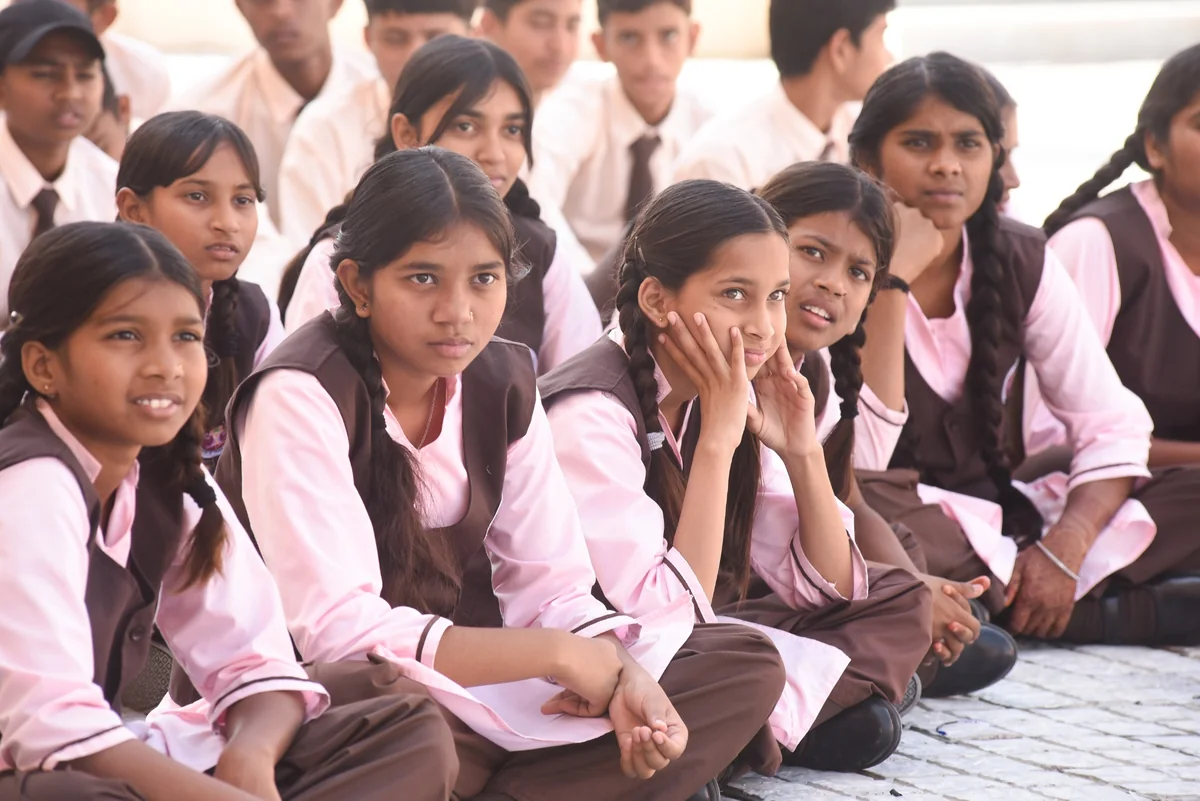
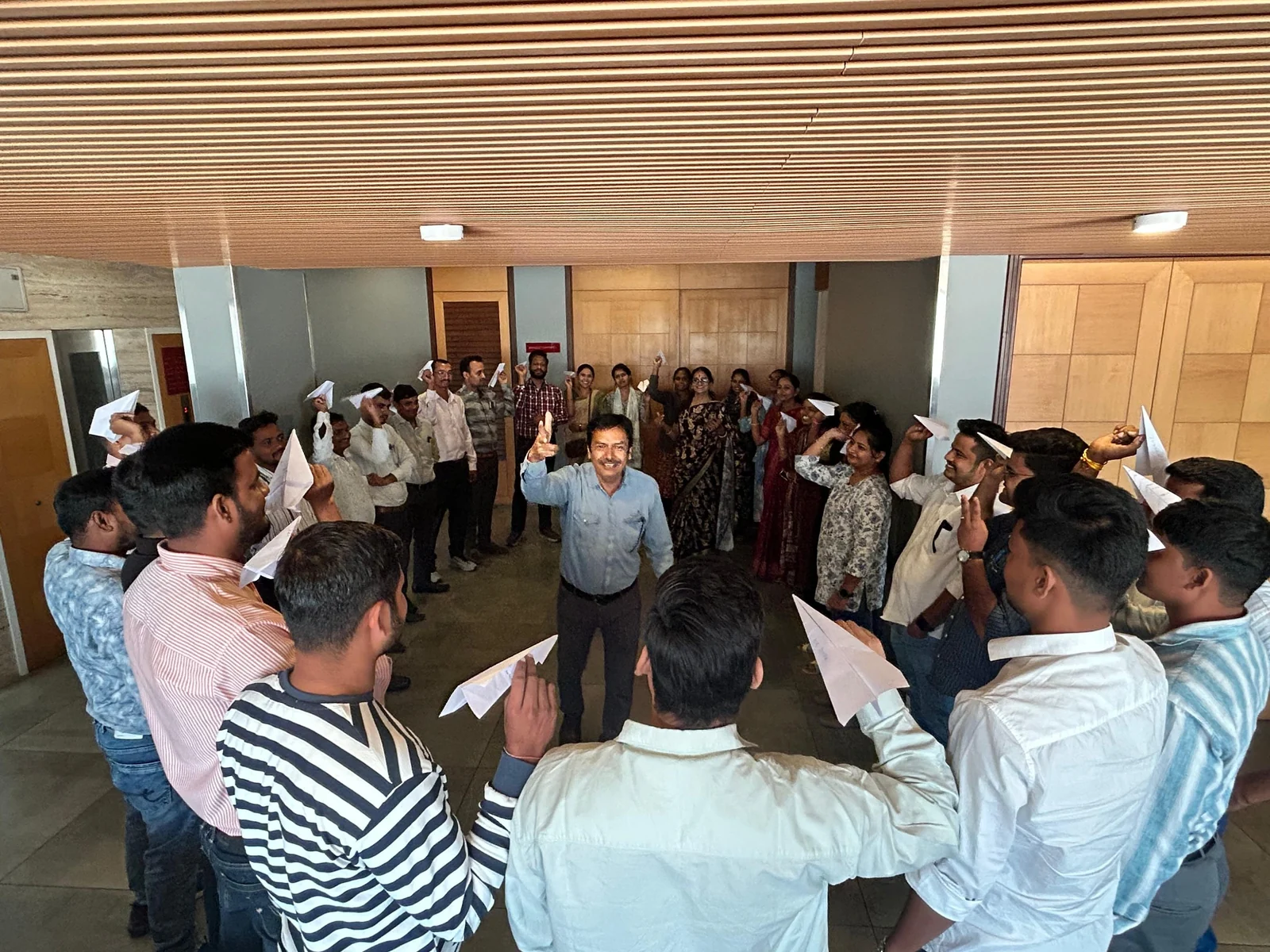
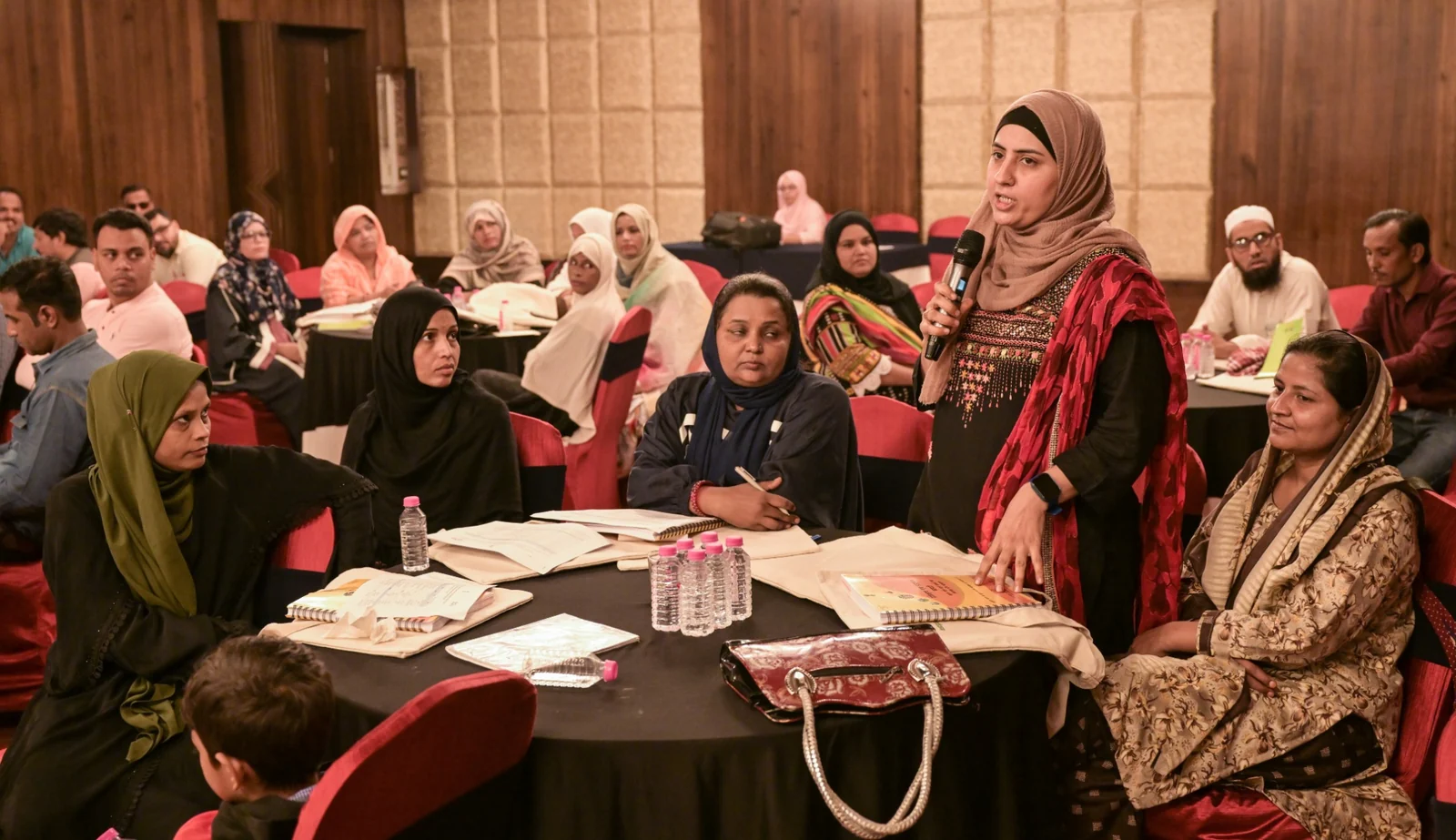
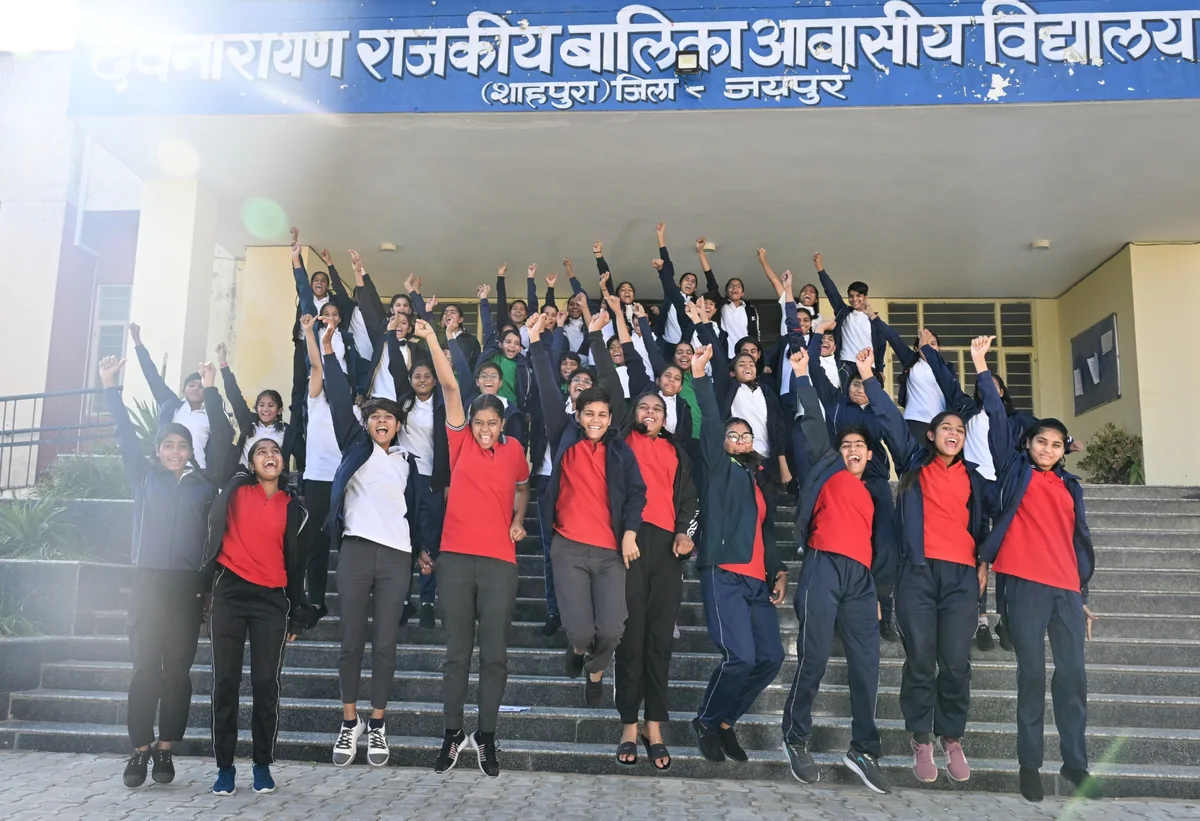
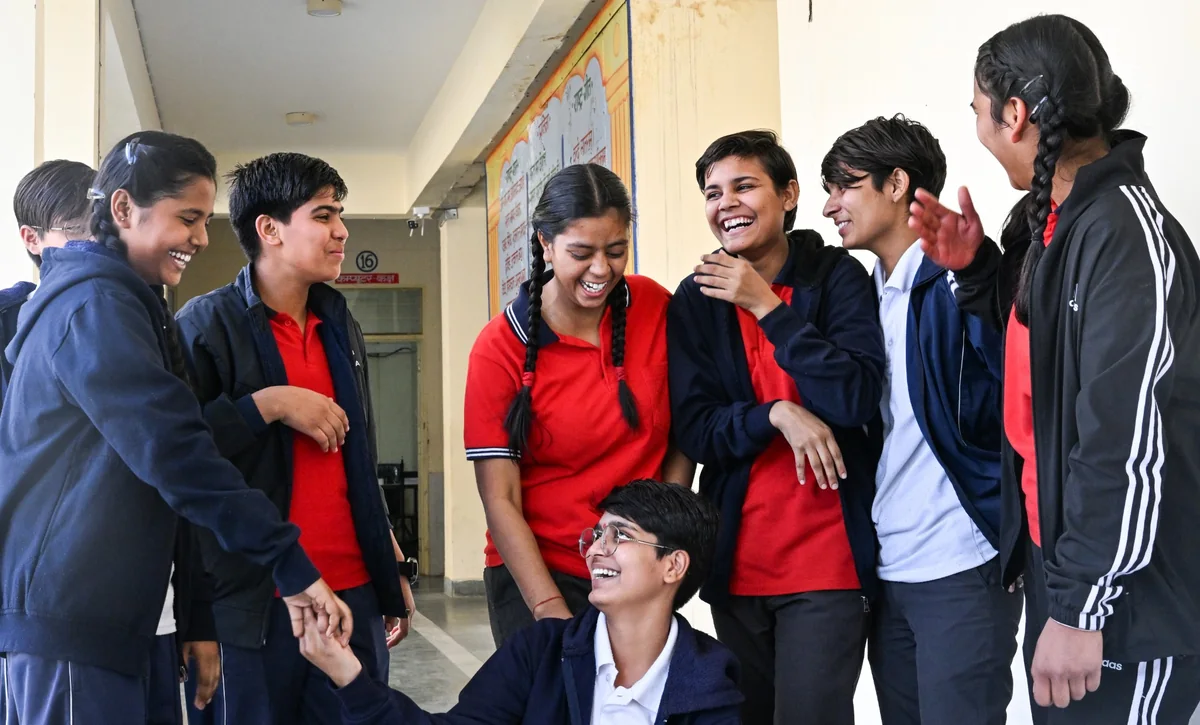
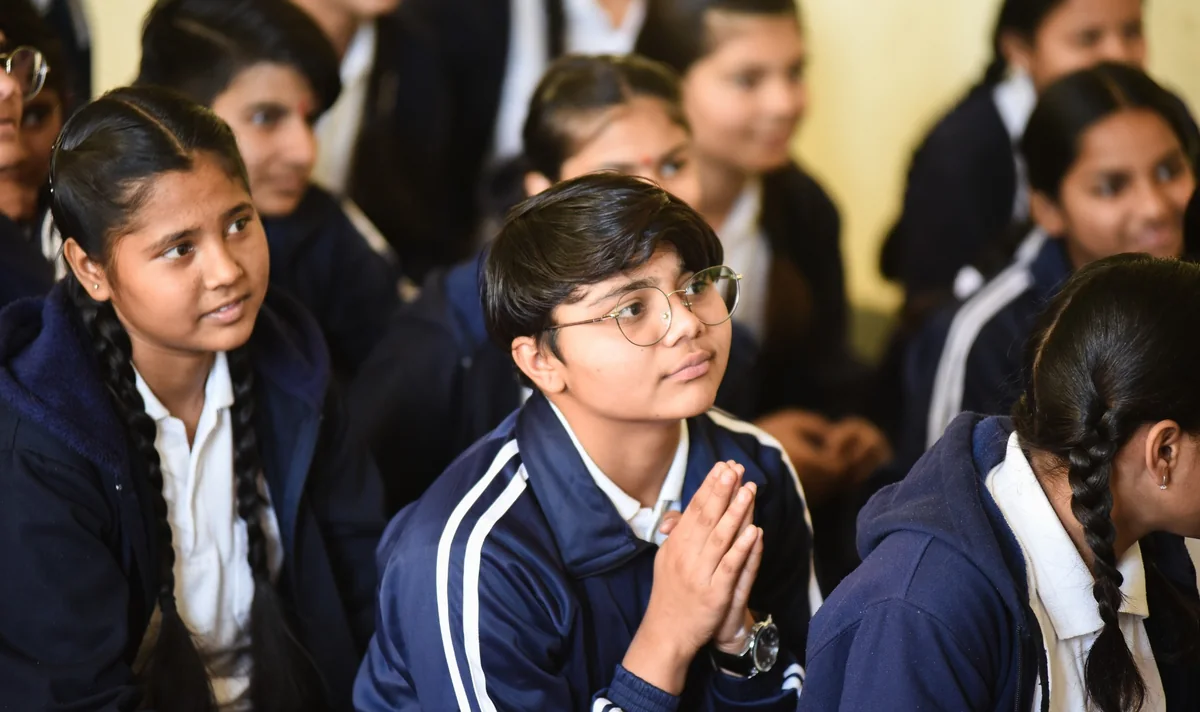
In partnership with UNFPA India and under the guidance of the MoHFW, GoI, Project Astitva is lighting a path toward a future where every young person, regardless of their ability or background, can lead a life of dignity and choice. Working across Rajasthan, Madhya Pradesh, Bihar, and Odisha, the project strengthens adolescent health and family planning.
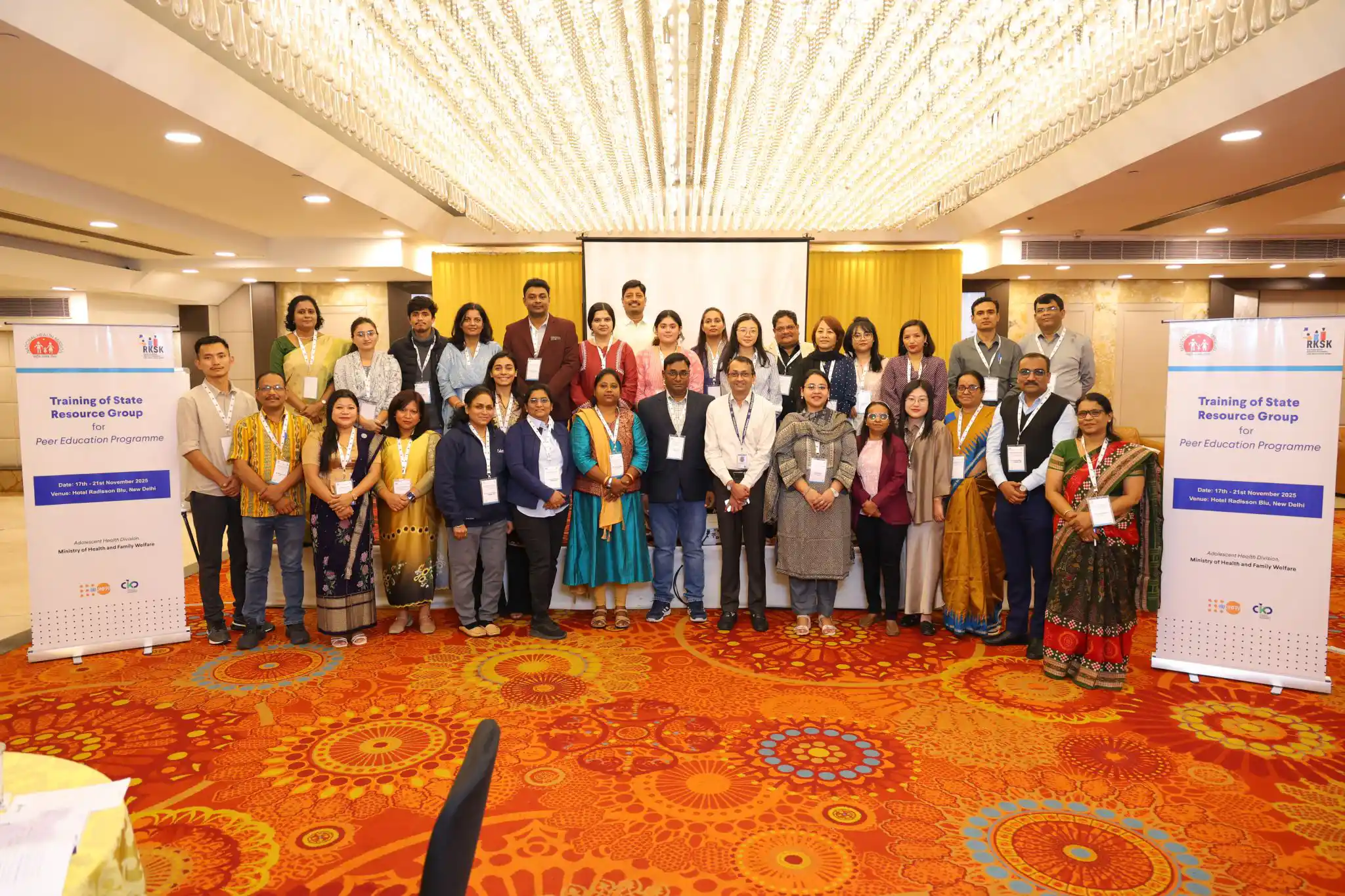
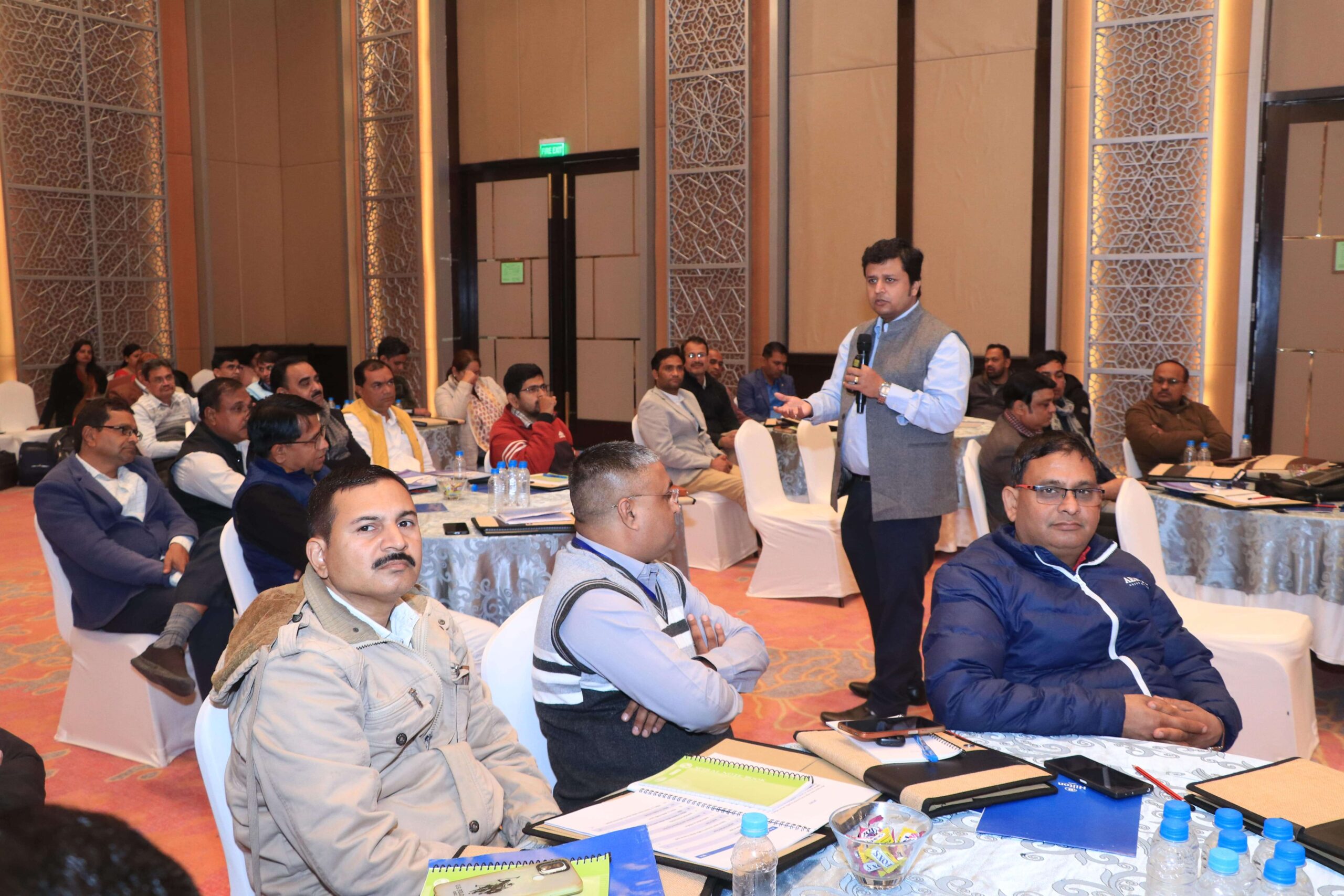
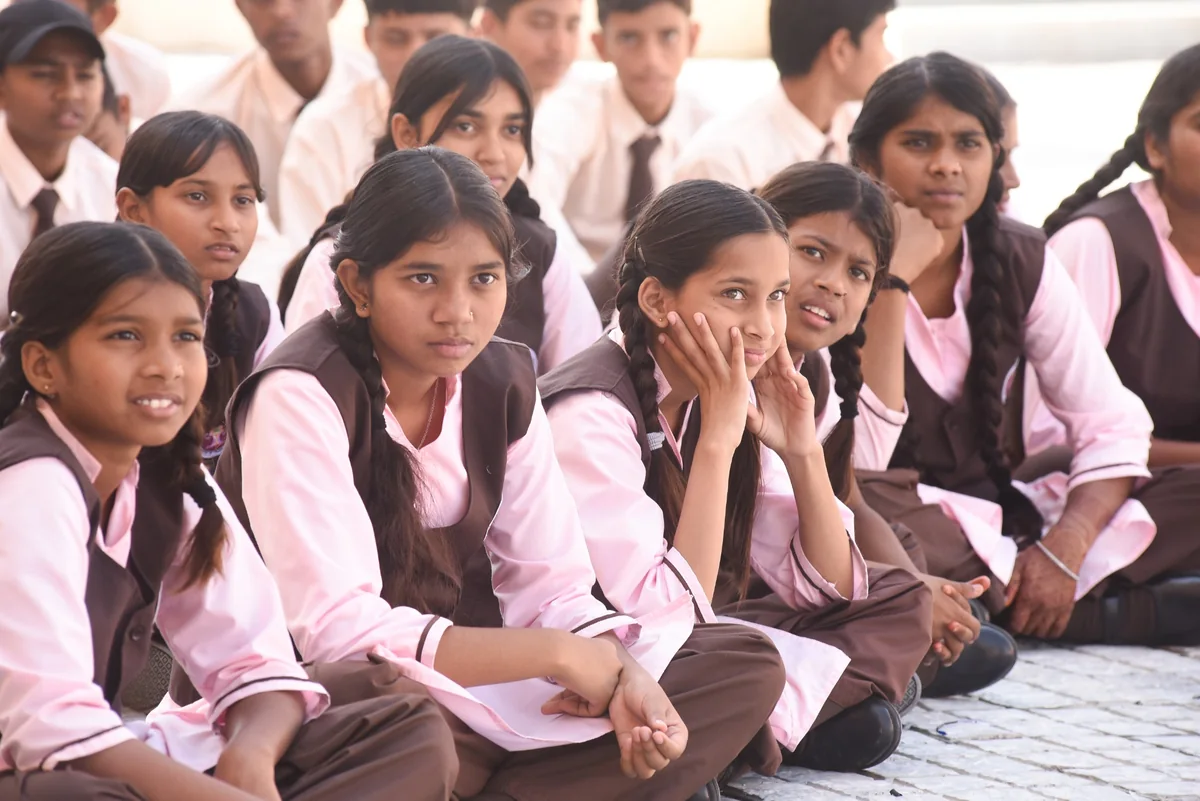
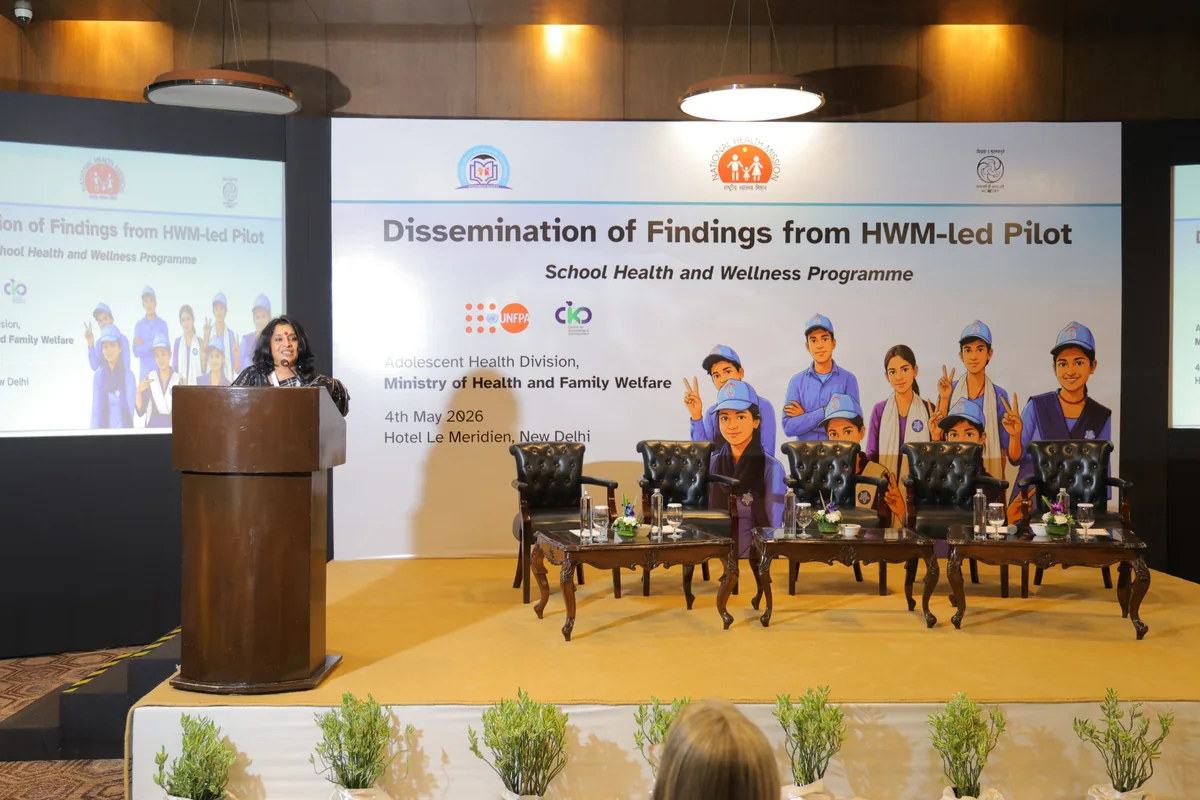
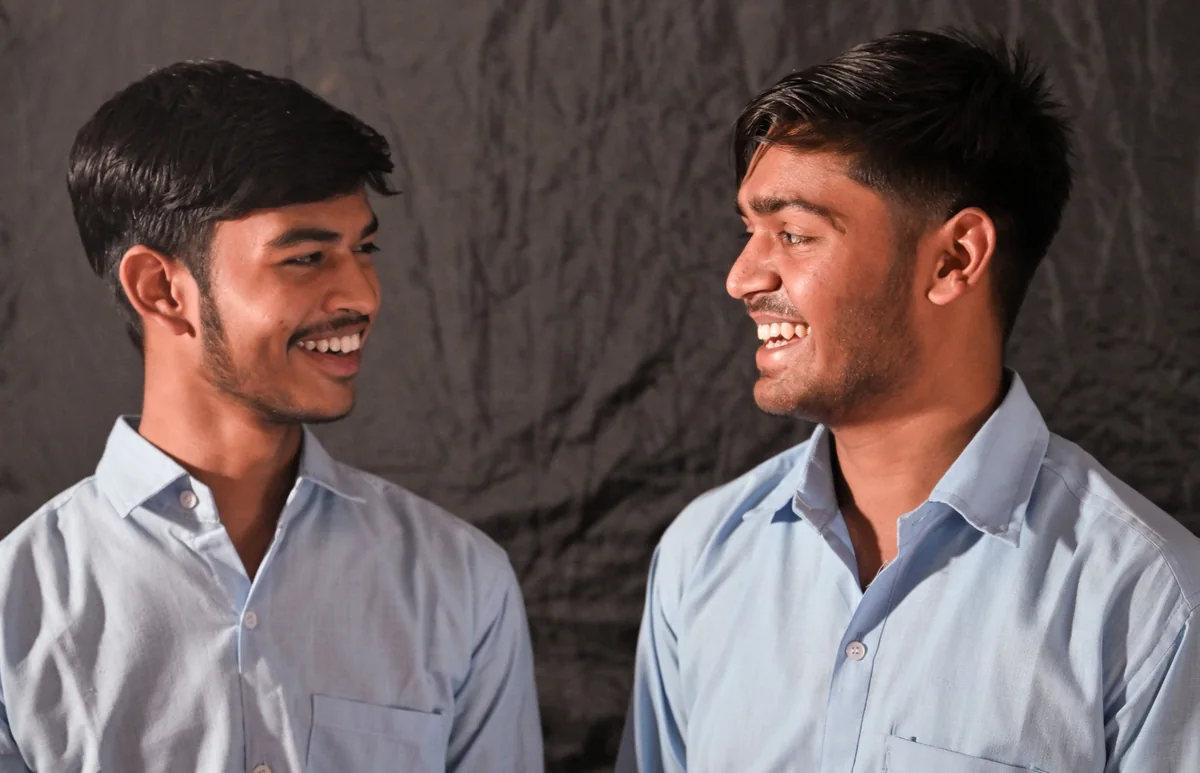
Astitva champions adolescent SRHR through capacity building, enhanced service delivery, and the creation of safe and inclusive spaces for adolescents by energising national programmes such as RKSK and SHWP.
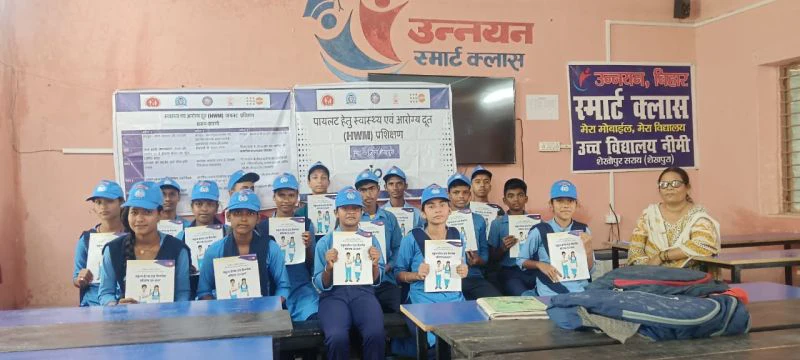
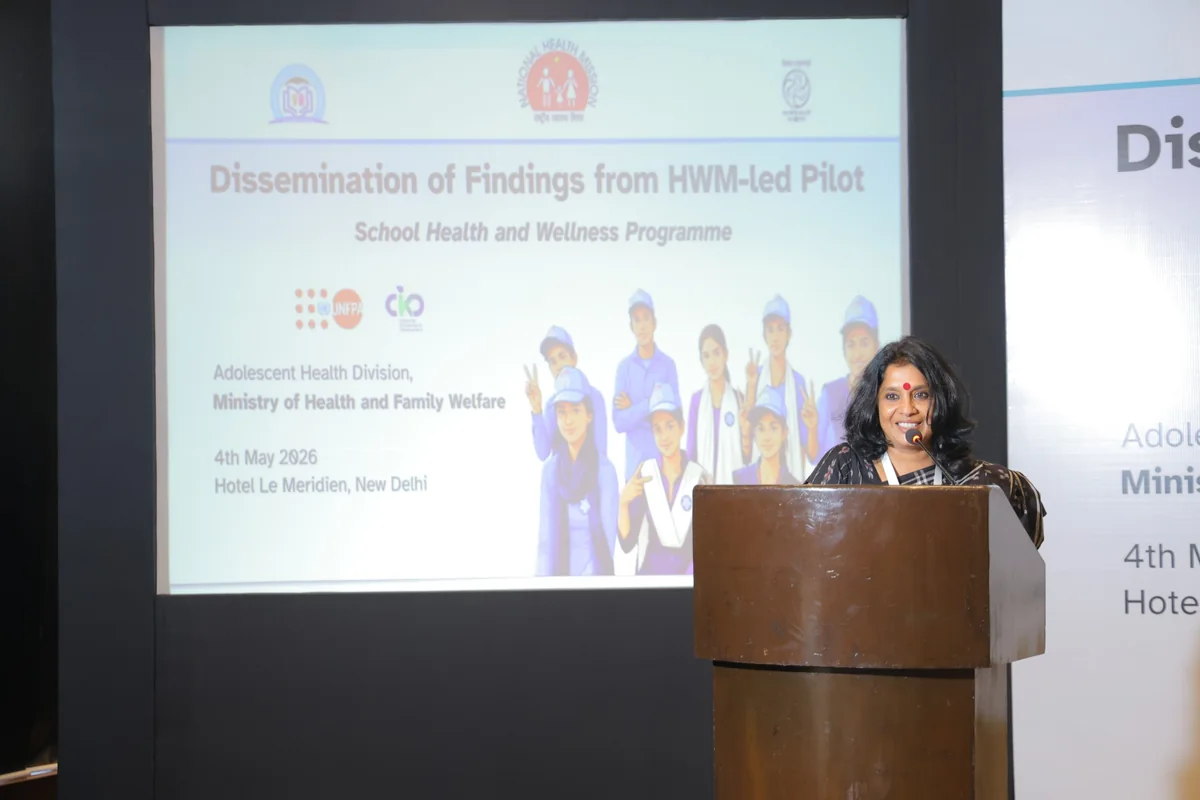
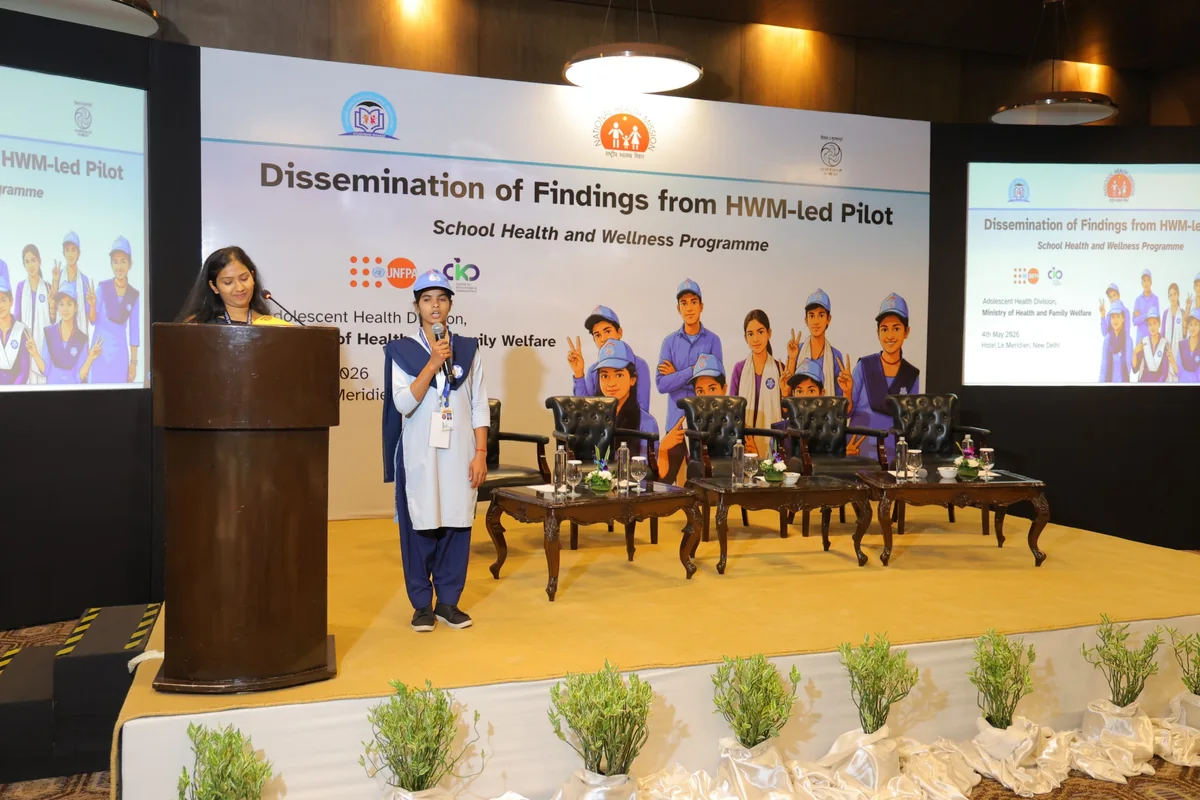
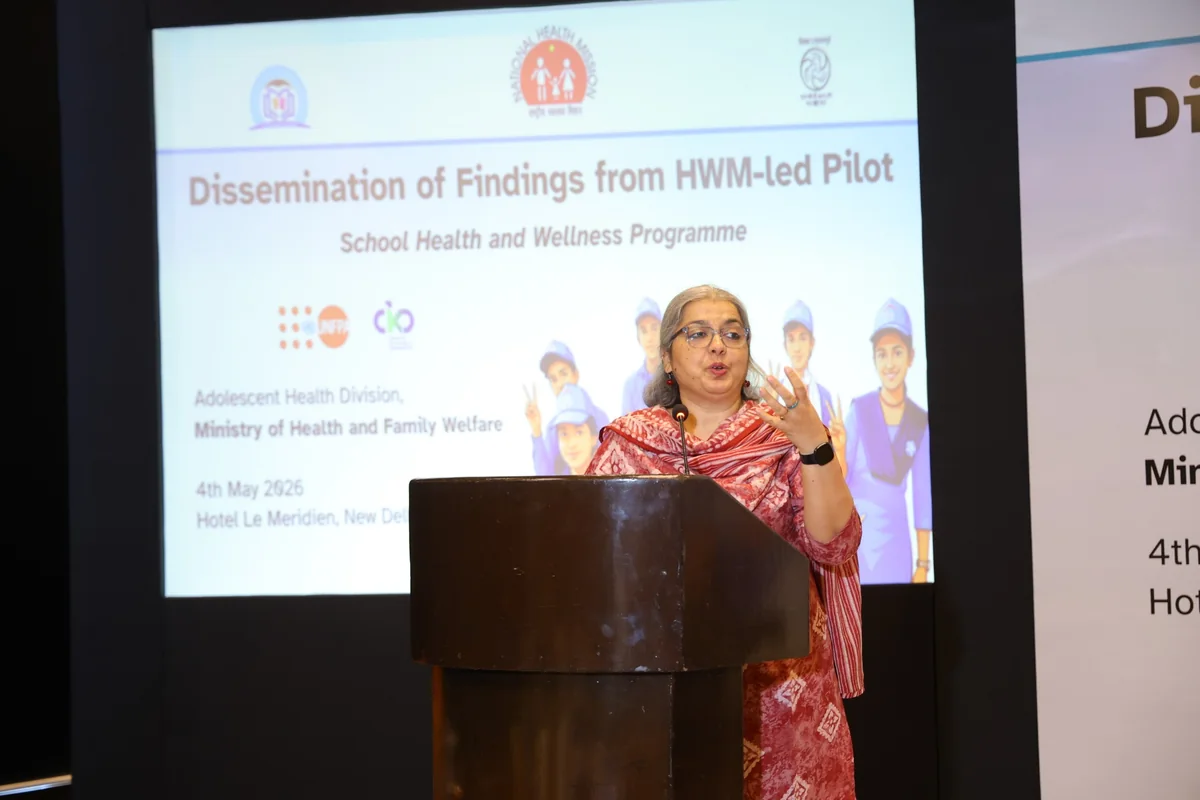
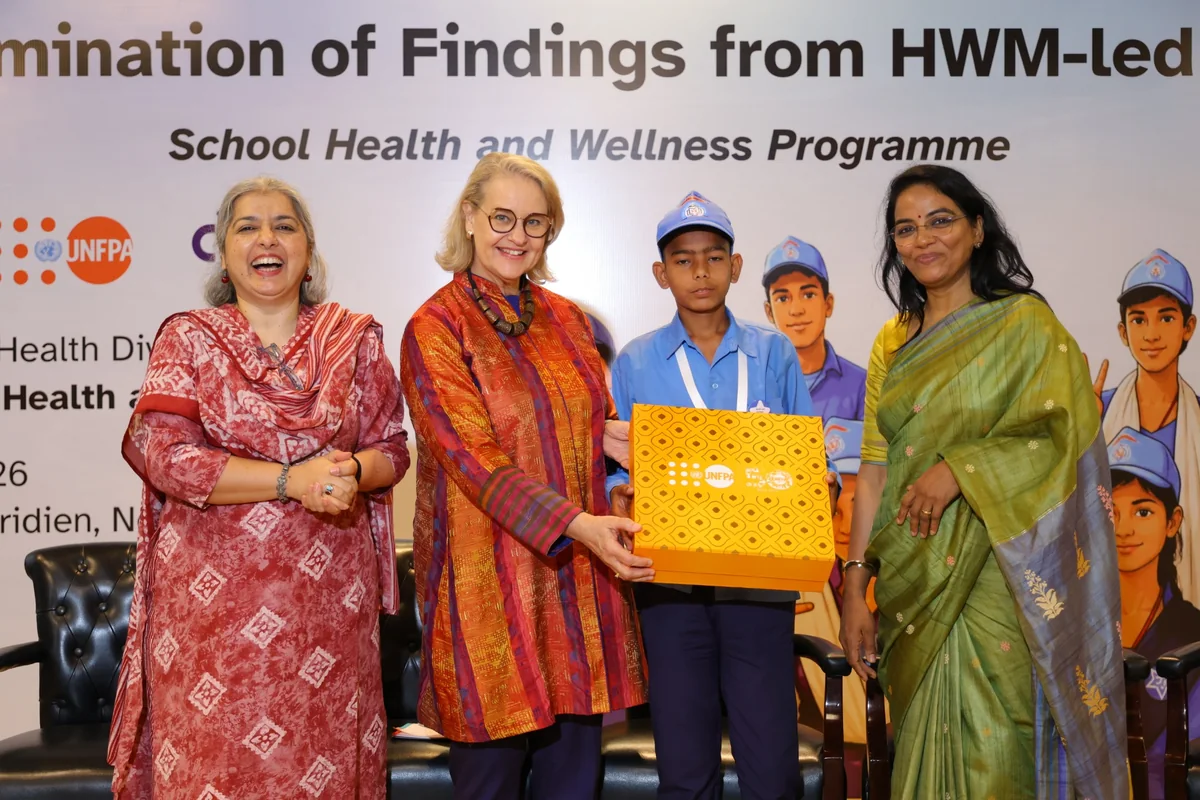
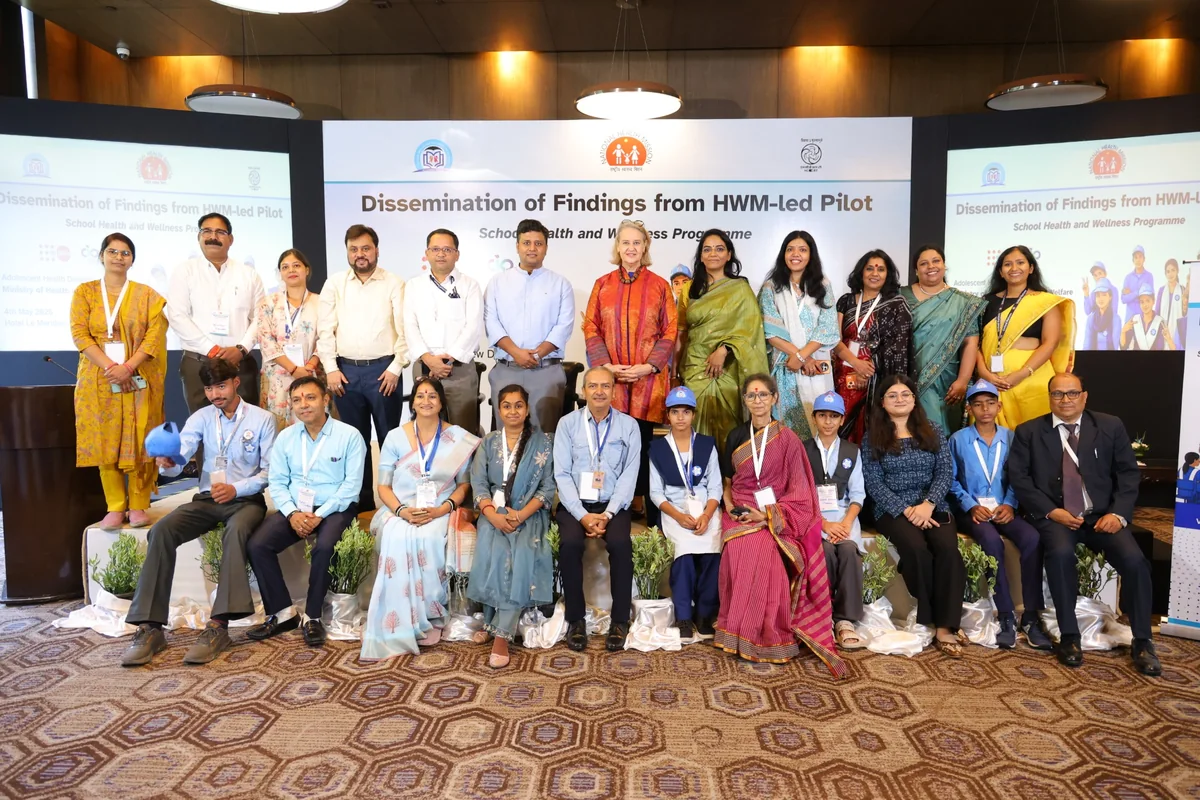
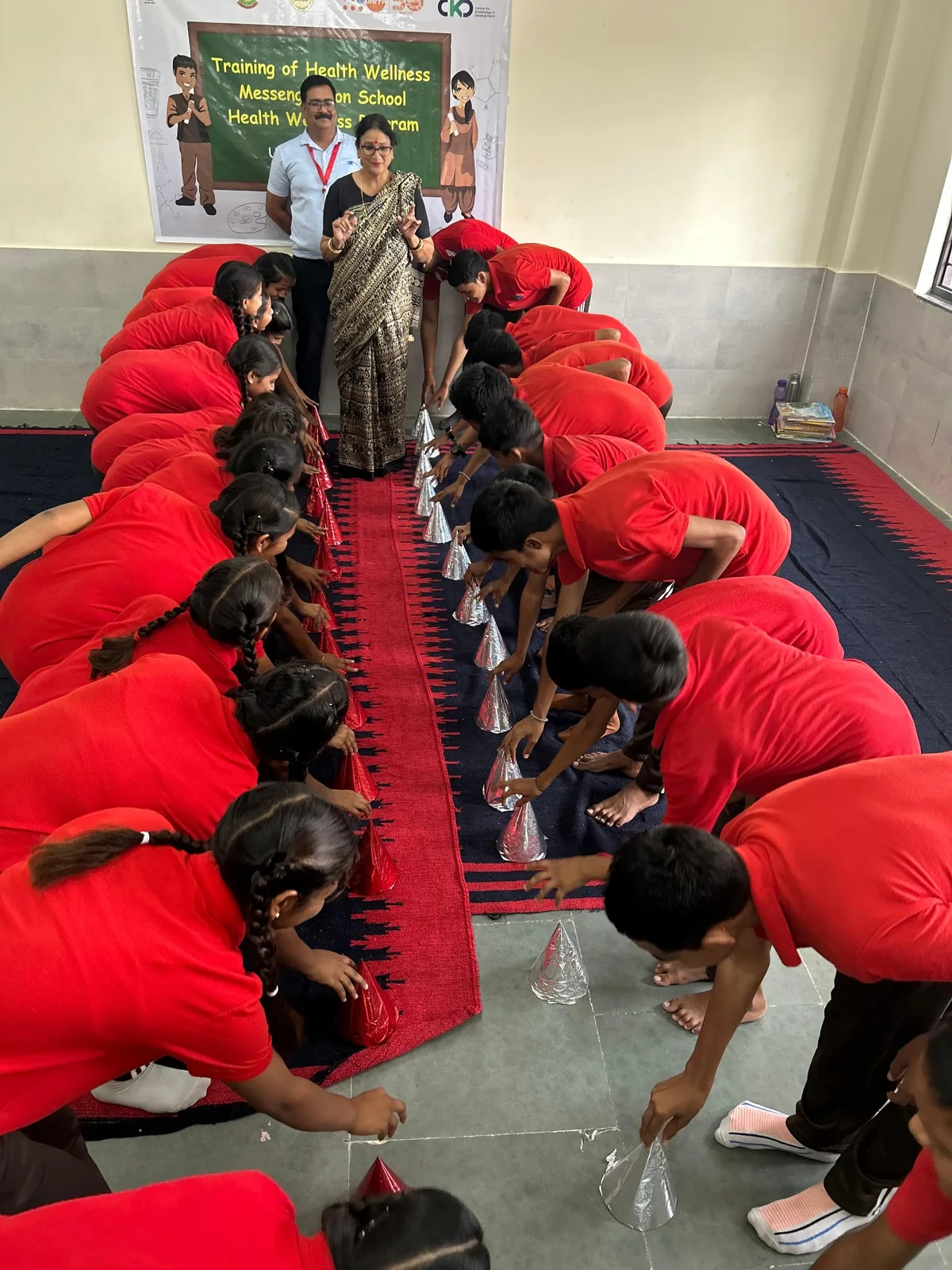
Astitva champions adolescent SRHR through capacity building, enhanced service delivery, and the creation of safe and inclusive spaces for adolescents by energising national programmes such as RKSK and SHWP. Innovative, scalable service delivery models have been introduced in Bihar and Rajasthan, empowering Health and Wellness Messengers to lead impactful, peer-driven health promotion.
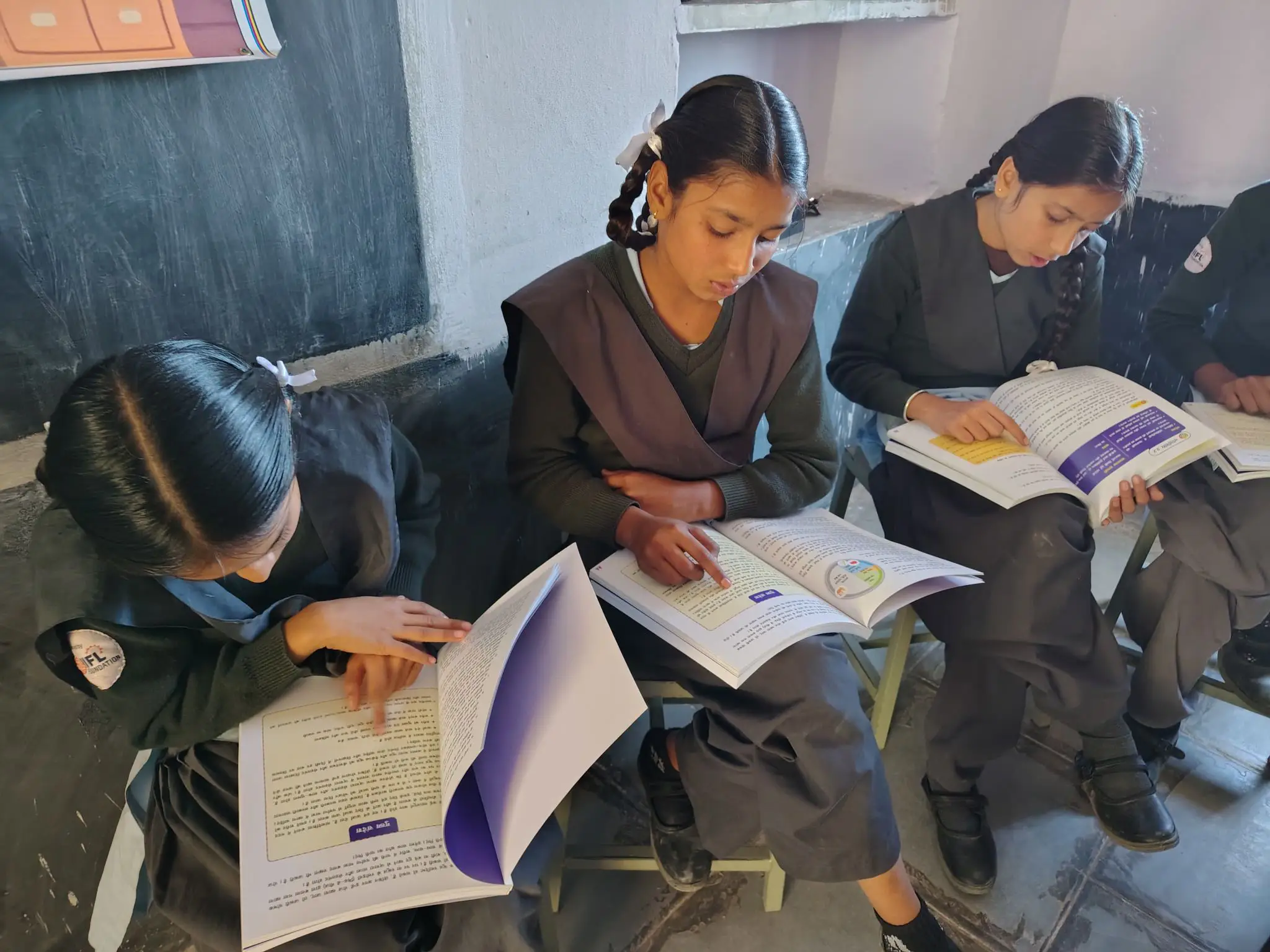
By co-creating disability-friendly IEC materials and interactive games, including in Braille and in Indian Sign Language, the project is demonstrating Disability-Inclusive AFHCs to ensure that the most vulnerable voices are heard and included. The project also supported the development of IEC materials on obesity, aligning with the Prime Minister’s vision to reduce obesity and promote healthy lifestyles.
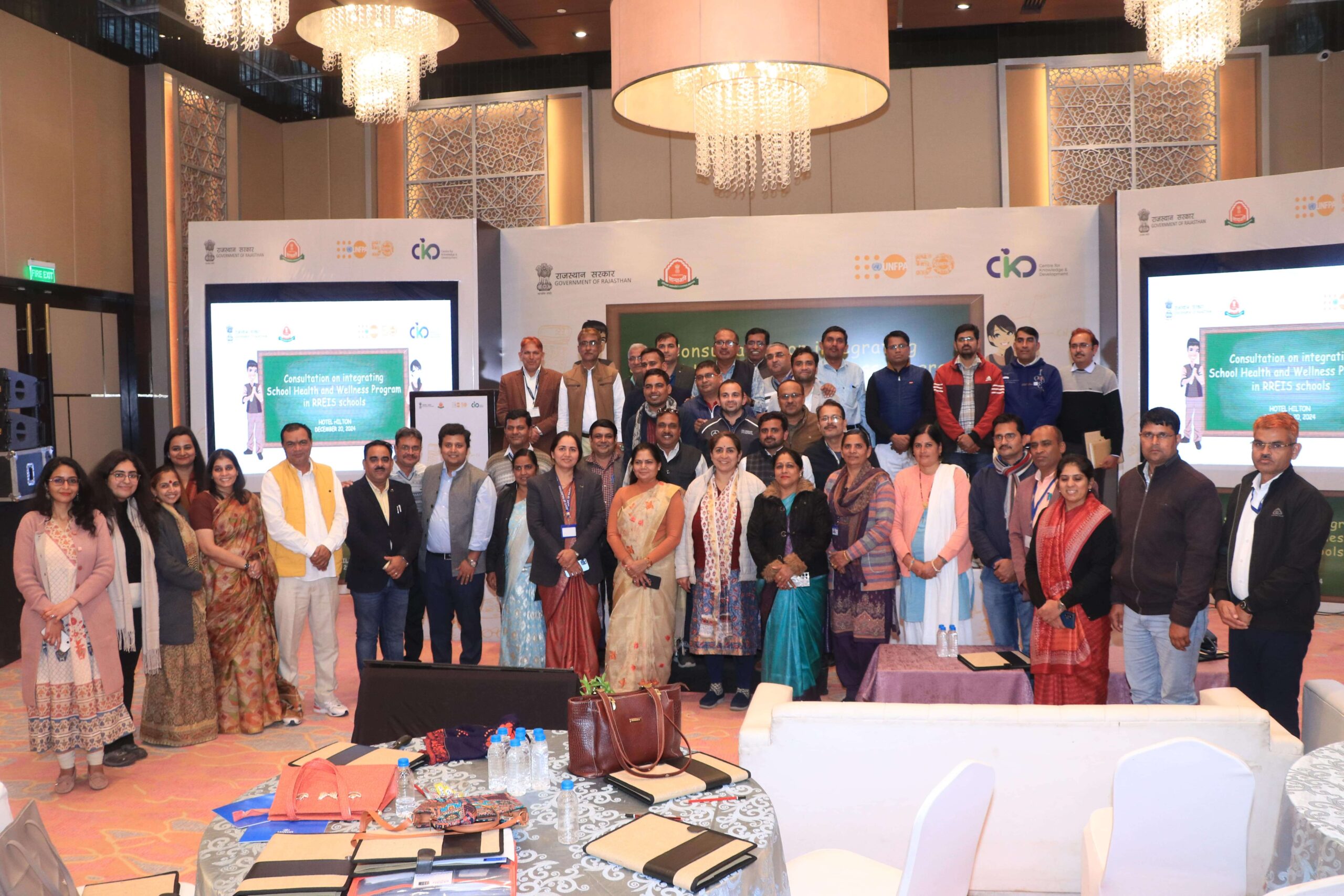
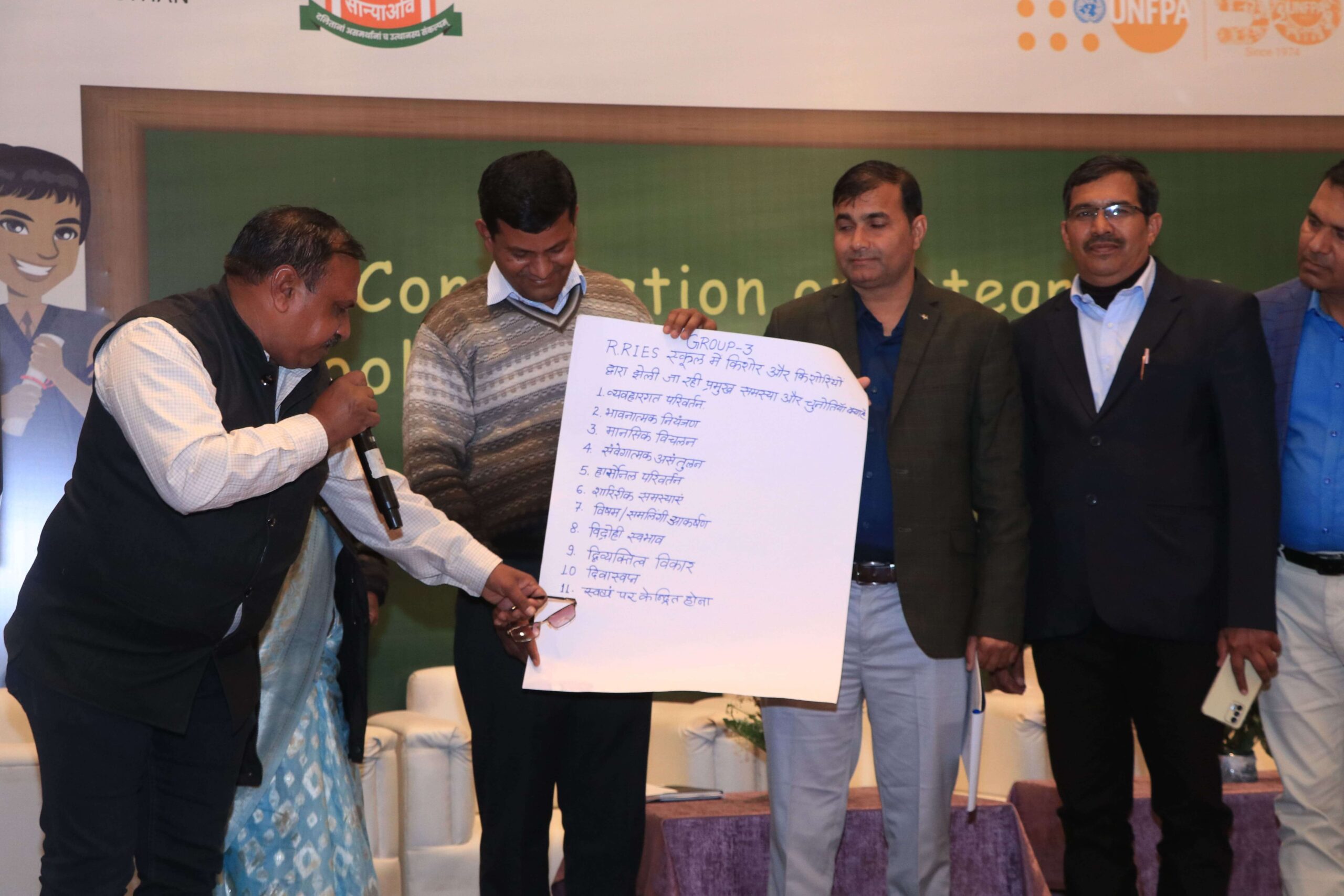
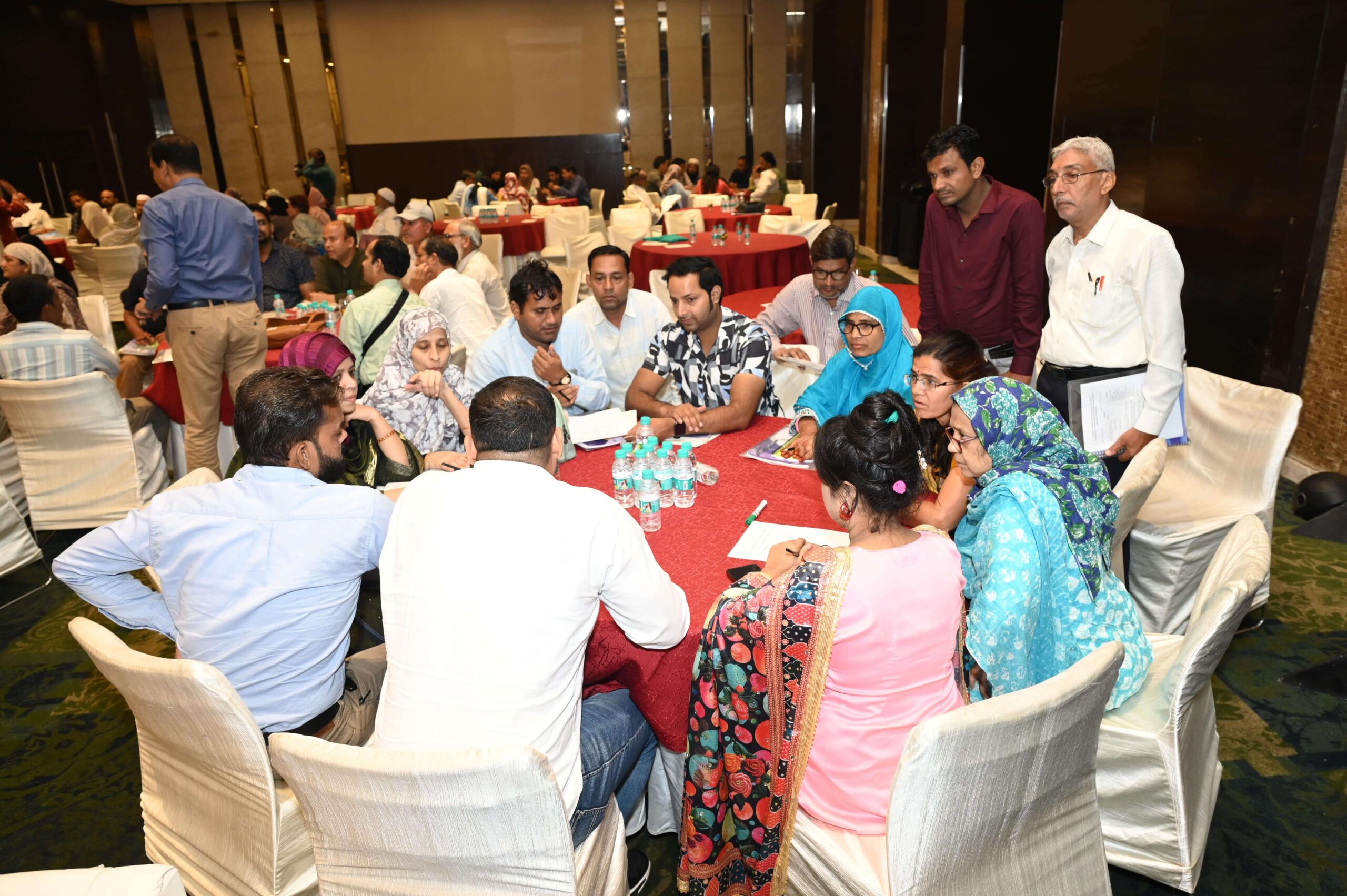
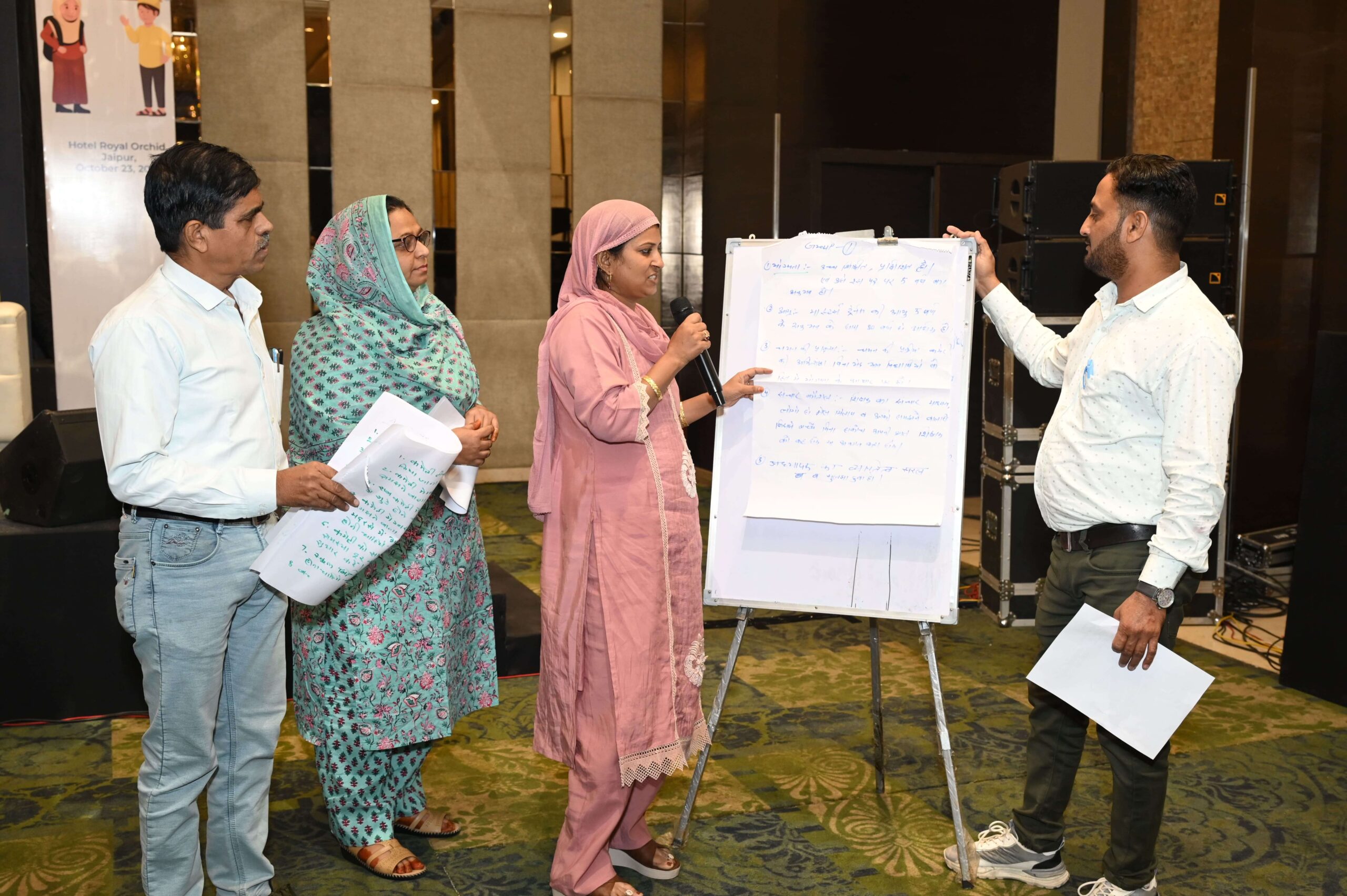
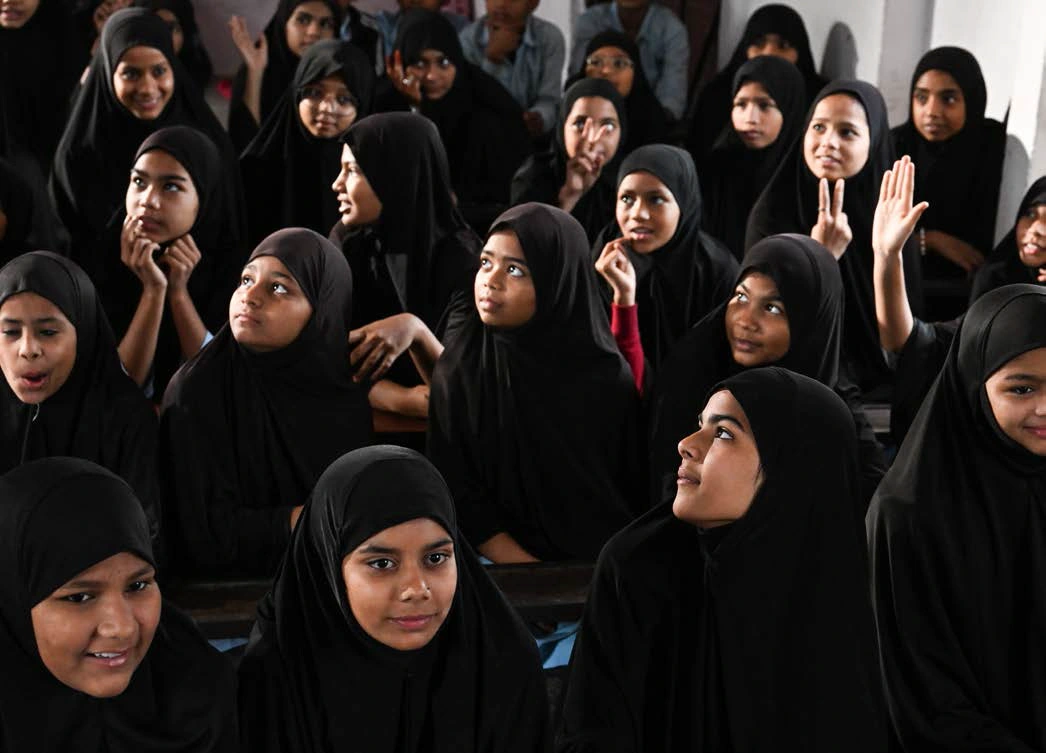
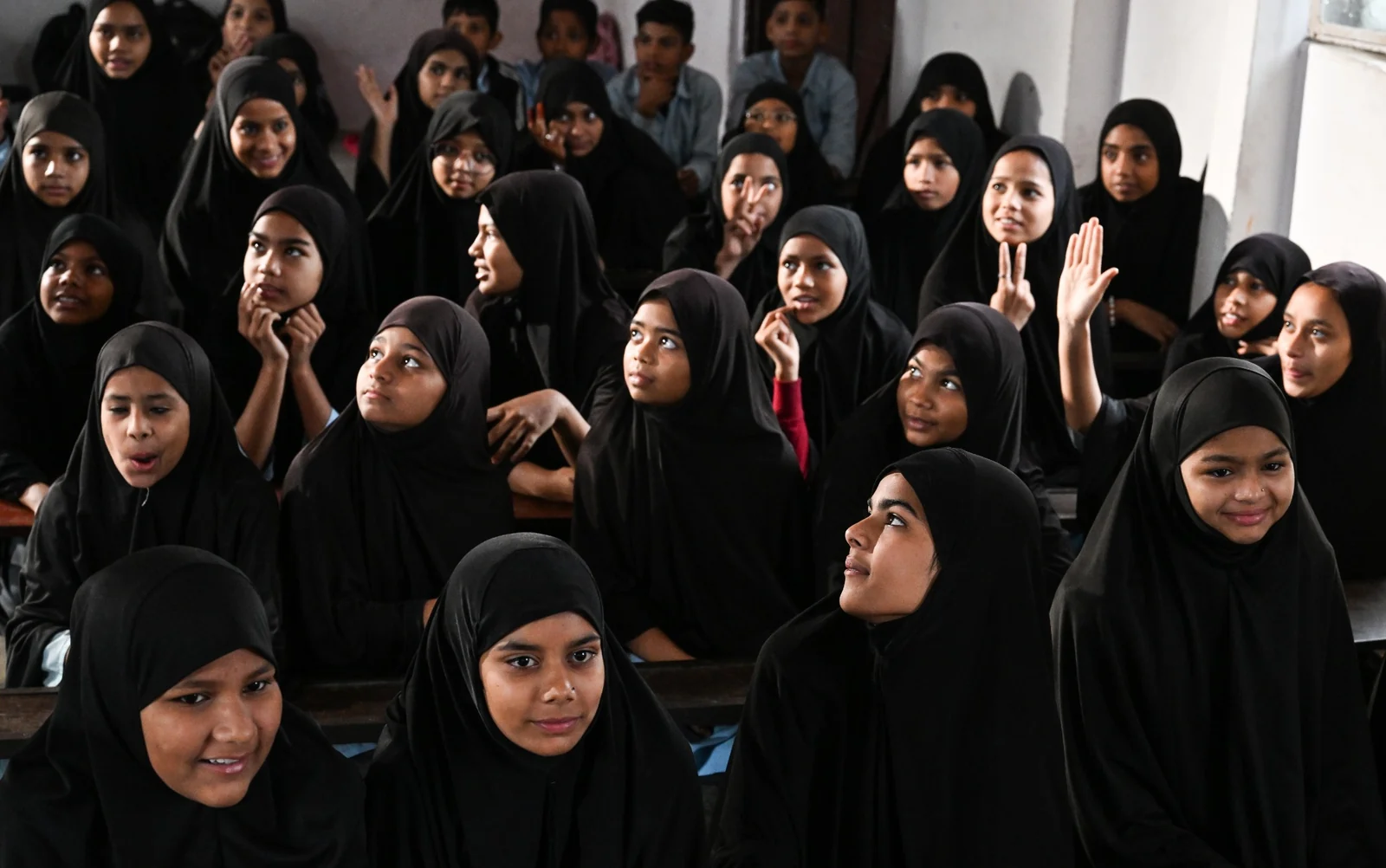
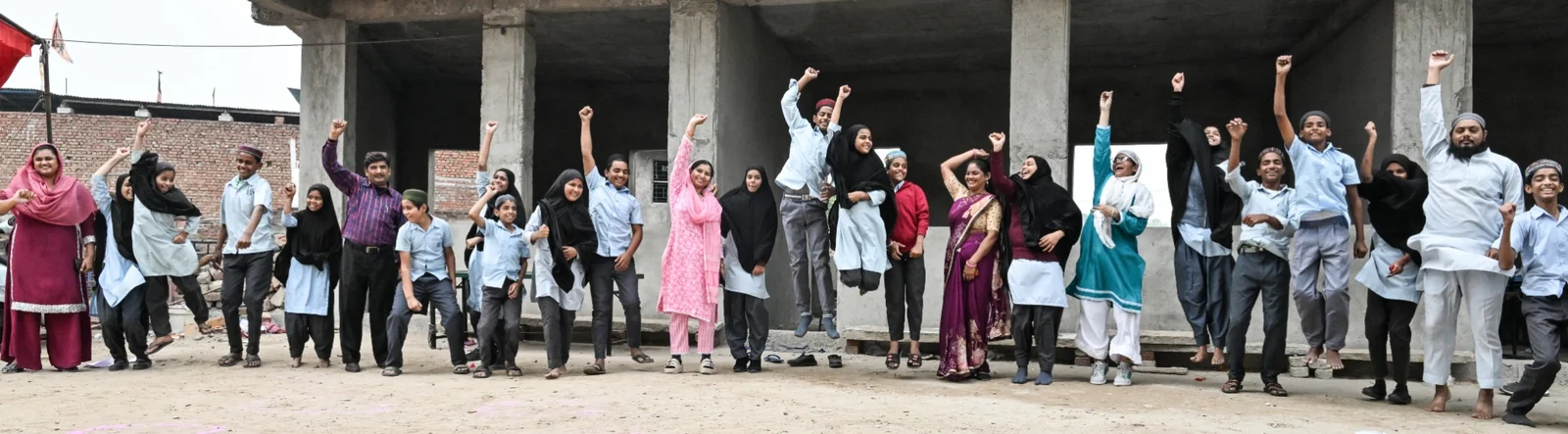
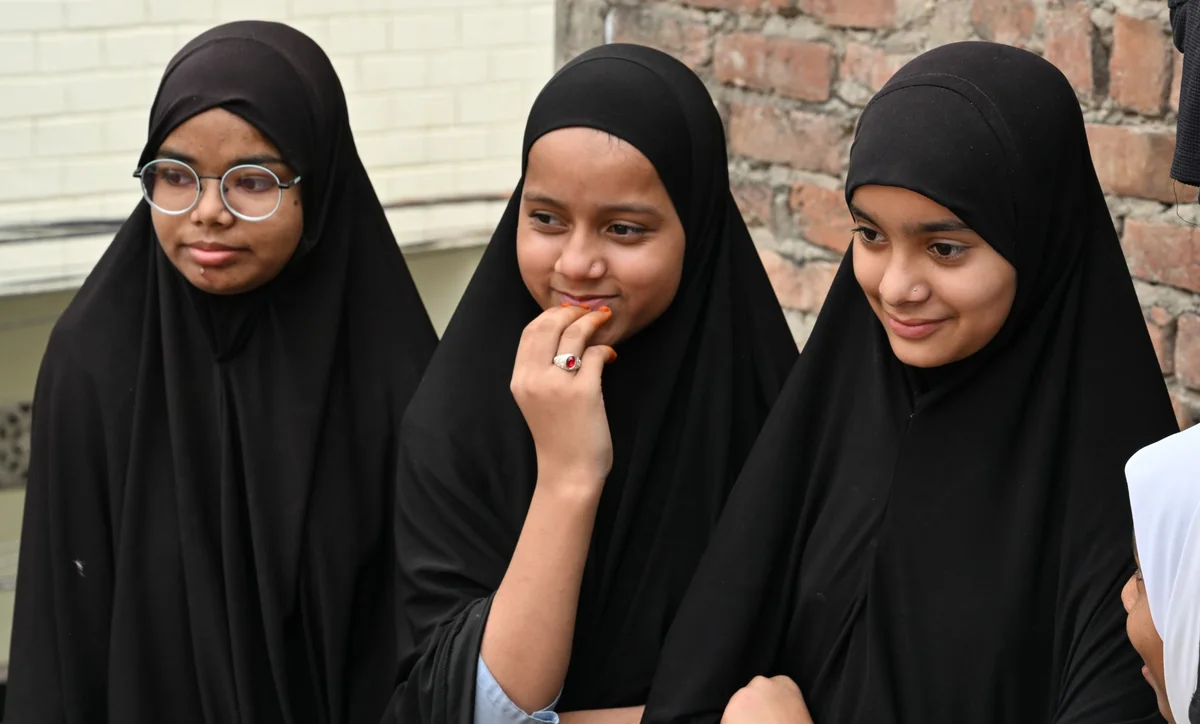
In Rajasthan, Astitva’s story runs deeper—bridging education and empowerment for tribal communities, minorities, and adolescents with disabilities. It worked in close partnership with the Departments of Education, Minority Affairs, Tribal Affairs, and Social Justice & Empowerment, as well as youth groups, to ensure that schools and institutions are safe, responsive spaces.
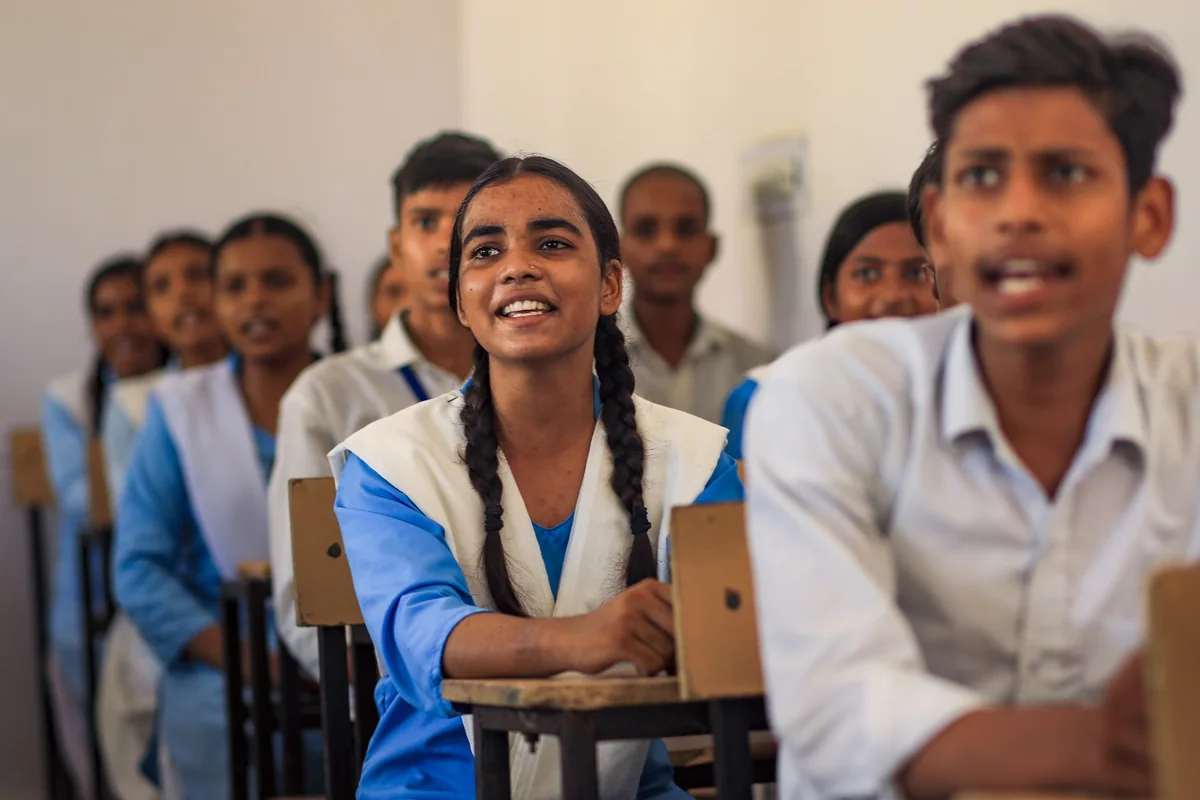
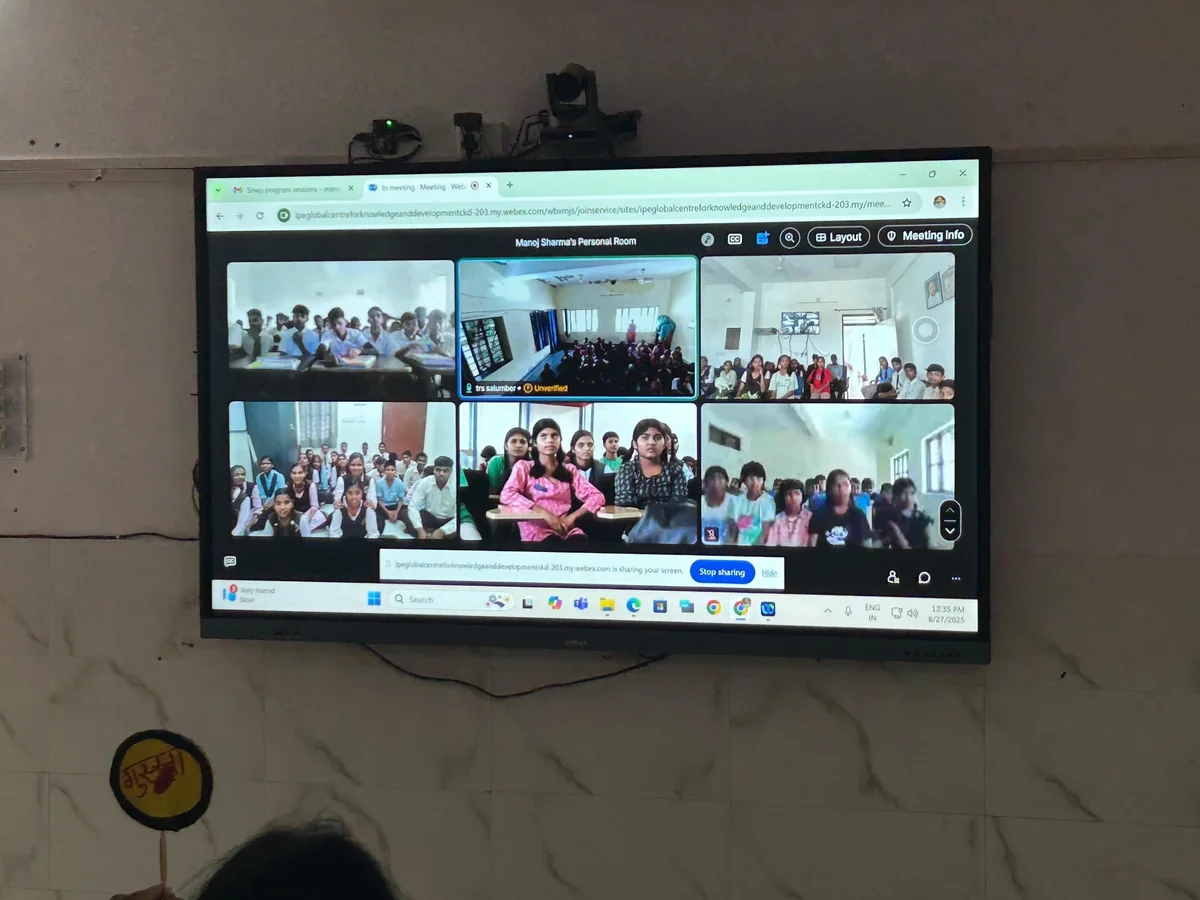
Through sustained engagement, Astitva helped integrate SHWP, Life Skills Education (LSE), and disability inclusion into routine processes. At the same time, an innovative Smart Classroom and Virtual Learning Platform at the Tribal Research Institute (TRI), Udaipur, hosted live SHWP sessions and training sessions, serving as a model for other tribal schools. Project Astitva stands as a movement—one that reaffirms the belief that no adolescent should be left behind.